Linking words of reason and result
because, so, therefore, due to.
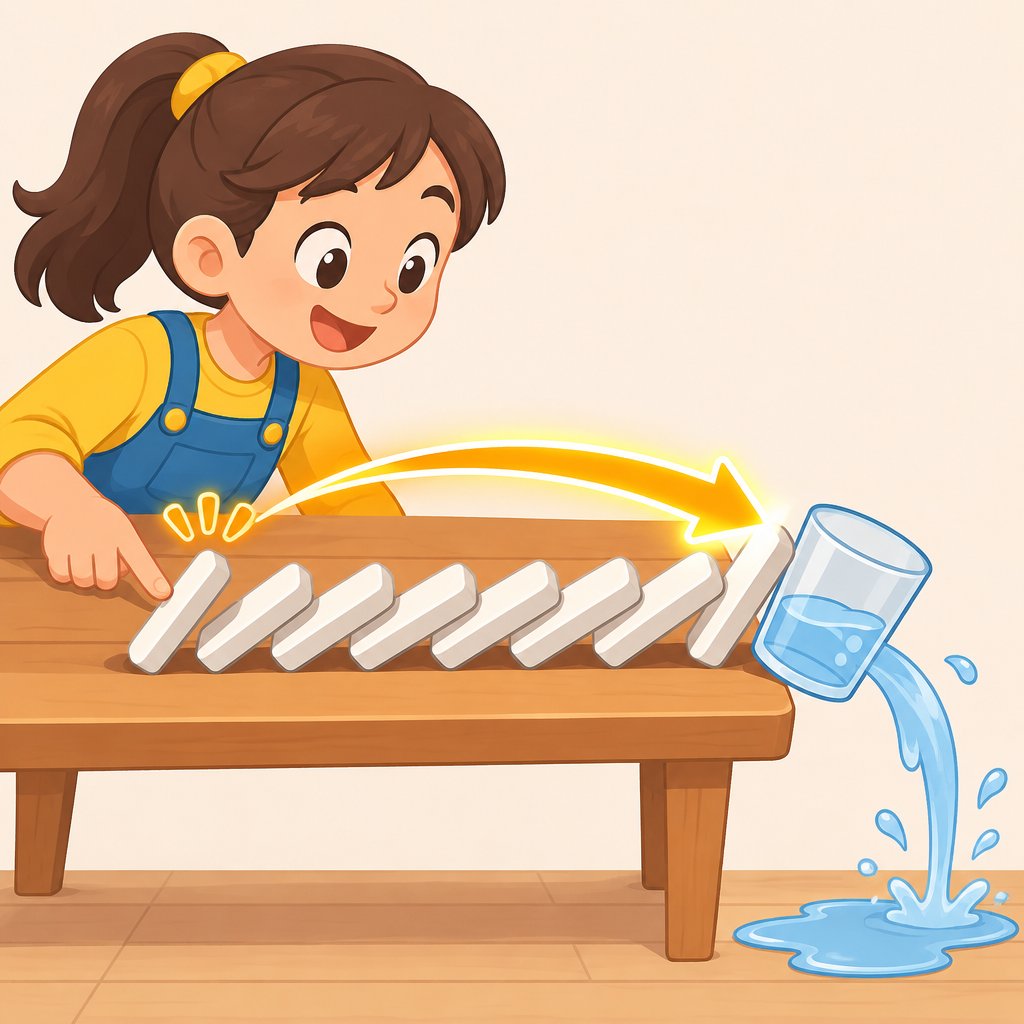
Linking words of reason and result join two ideas: why something happens (the reason) and what happens next (the result). You need them in everyday speaking and in IELTS and CELPIP writing.
When to use it
1. because gives the reason. It comes before a full clause (subject + verb).
We stayed at home because it was raining. Because the bus was late, I missed my interview.
2. so gives the result. It also comes before a full clause, and we usually put a comma before it.
It was raining, so we stayed at home. The tickets were cheap, so we bought four.
3. therefore gives the result in a formal way. It is common in essays and reports. It usually starts a new sentence or comes after a semicolon (;).
Prices have risen sharply. Therefore, many families are spending less. The road was closed; therefore, drivers had to find another route.
4. due to gives the reason in a formal way. It is a preposition, so it comes before a noun or noun phrase, not a full clause.
The flight was cancelled due to bad weather. Due to rising costs, the company closed two offices.
At a higher level, you can use due to the fact that + clause. It is formal and a little long, so do not use it too often.
The project was delayed due to the fact that two engineers left.
How to form it
| Linker | Meaning | Followed by | Example |
|---|---|---|---|
| because | reason | clause (subject + verb) | I left early because I felt sick. |
| so | result | clause (subject + verb) | I felt sick, so I left early. |
| therefore | result (formal) | clause, usually after . or ; | I felt sick. Therefore, I left early. |
| due to | reason (formal) | noun / noun phrase | I left early due to illness. |
Negative sentences work in the normal way: I didn't go because I was busy. / I was busy, so I didn't go.
Questions: we ask with Why...? and answer with because: Why are you late? Because the train broke down. (A short spoken answer like this is fine. In writing, use a full sentence.)
Position of therefore: it can also go in the middle of a clause: Prices have risen. Many families are therefore spending less.
Common mistakes
✗ Because I was tired, so I went to bed. → ✓ Because I was tired, I went to bed. / ✓ I was tired, so I went to bed. Use only one linker for one reason–result link.
✗ The match was cancelled due to it rained. → ✓ The match was cancelled due to the rain. Due to needs a noun, not a subject + verb.
✗ He couldn't come because of he was sick. → ✓ He couldn't come because he was sick. Because of takes a noun (because of his illness); because takes a clause.
✗ I missed the bus, therefore I was late. → ✓ I missed the bus; therefore, I was late. Therefore cannot join two sentences with only a comma. Use a full stop or a semicolon.
✗ Because the shop was closed. (as a full sentence in writing) → ✓ We went home because the shop was closed. A because clause needs a main clause with it.
Compare
because vs. because of / due to
These three all show a reason, but the grammar after them is different:
- because + clause: The game stopped because it was raining.
- because of + noun: The game stopped because of the rain. (neutral)
- due to + noun: The game stopped due to the rain. (more formal)
In very careful writing, some teachers prefer due to after the verb be: The delay was due to heavy traffic. Both uses are accepted today.
so vs. therefore: they mean the same, but so is neutral and joins ideas inside one sentence with a comma. Therefore is formal and usually begins a new sentence or follows a semicolon.
Quick tips
- Ask yourself: is the next part a clause (subject + verb)? Use because or so. Is it a noun? Use due to or because of.
- Never use because and so together in the same sentence.
- In IELTS and CELPIP essays, mix your linkers (so, therefore, due to, as a result) to show a wider range.
- Put a comma after therefore at the start of a sentence: Therefore, ...