Past Continuous
Actions in progress in the past; interrupted actions.
At 8 pm yesterday I was watching TV.
I was cooking dinner when the phone rang.
While I was reading, my brother was playing games.
When to use it
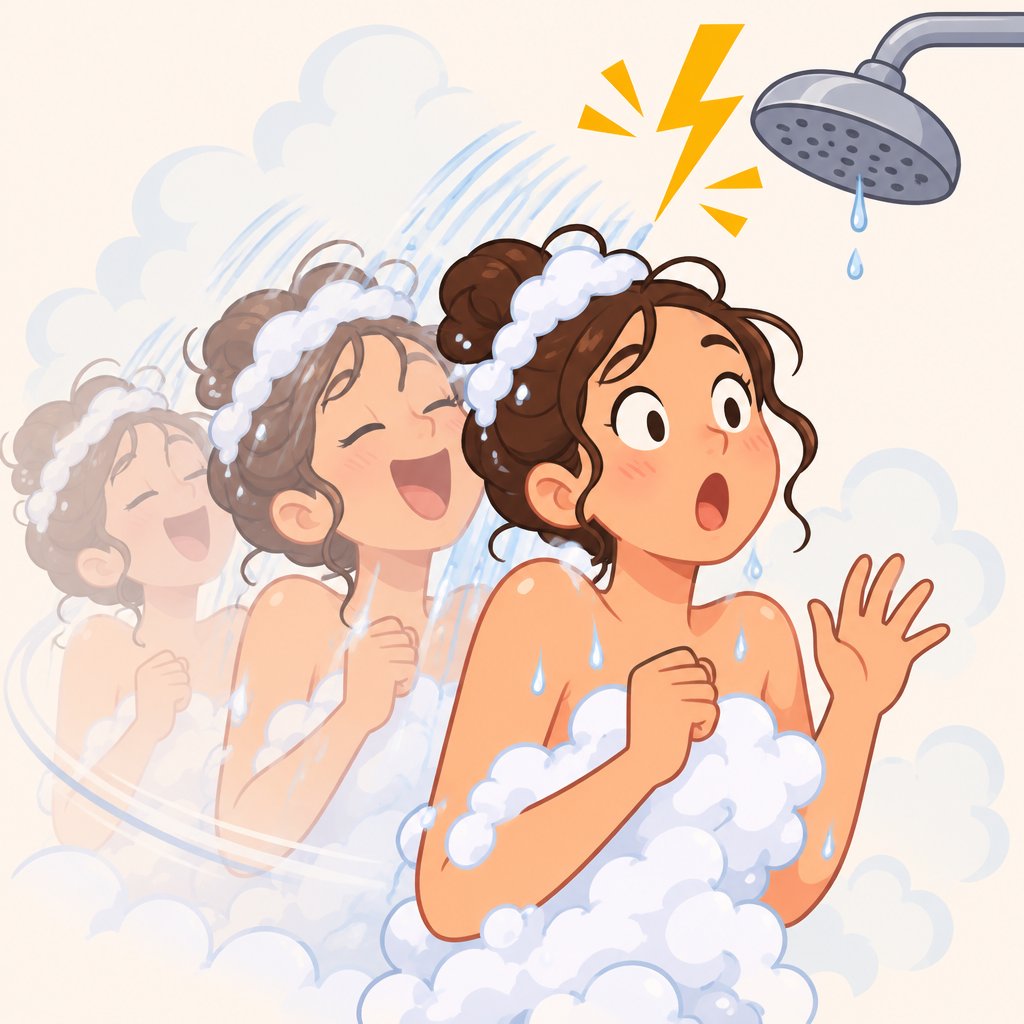
1. An action in progress at a specific time in the past We use the past continuous to say that something was happening at a certain moment. The action started before that time and continued after it.
At 8 o'clock last night, I was watching a film. What were you doing at this time yesterday?
2. An action interrupted by another action The longer action uses the past continuous. The short action that interrupts it uses the past simple.
I was cooking dinner when the phone rang. She was walking home when it started to rain.
3. Two actions happening at the same time Use while to show that two longer actions were in progress together.
While I was studying, my brother was playing video games. They were talking while the teacher was writing on the board.
4. Setting the scene in a story The past continuous gives background information. The past simple tells the main events.
The sun was shining and the birds were singing. Suddenly, a car stopped outside.
5. Annoying repeated actions (with always) At higher levels, we use always or constantly with the past continuous to complain about a habit.
My old roommate was always leaving dirty dishes in the sink.
6. Plans that changed (polite or tentative) I was wondering if you could help me. (more polite than I wonder) We were going to visit Paris, but we were thinking about Rome too.
How to form it
Use was / were + verb-ing.
| Form | Structure | Example |
|---|---|---|
| Positive | subject + was/were + verb-ing | He was working. They were working. |
| Negative | subject + was/were + not + verb-ing | He wasn't working. They weren't working. |
| Question | Was/Were + subject + verb-ing? | Was he working? Were they working? |
| Short answer | Yes, subject + was/were. / No, subject + wasn't/weren't. | Yes, he was. No, they weren't. |
- was → I, he, she, it
- were → you, we, they
Spelling of -ing: make → making, run → running, lie → lying.
Common mistakes
-
✗ I was knowing the answer. → ✓ I knew the answer. Stative verbs (know, like, believe, own, need) are not usually used in continuous forms.
-
✗ When I arrived, she cooked dinner. → ✓ When I arrived, she was cooking dinner. The first sentence suggests she started cooking after you arrived. Use the past continuous for the action already in progress.
-
✗ They was playing football. → ✓ They were playing football. Use were with they, we and you.
-
✗ I was going to the gym every day last year. → ✓ I went to the gym every day last year. For regular past habits, use the past simple or used to, not the past continuous.
-
✗ While I watched TV, the lights went out. → ✓ While I was watching TV, the lights went out. While usually goes with the longer action, which needs the past continuous.
Compare
Past continuous vs. past simple
The past simple shows a finished, complete action. The past continuous shows an action in the middle, not finished at that moment.
- I read a book last night. (I probably finished it.)
- I was reading a book last night. (I was in the middle of it; maybe I didn't finish.)
Look at how when changes the meaning:
- When she arrived, we were eating. (We started eating before she came.)
- When she arrived, we ate. (She came first, then we started eating.)
A useful rule: long background action = past continuous; short event = past simple. We often use when before the short action and while before the long action.
Quick tips
- Ask yourself: "Was the action in progress at that moment?" If yes, use the past continuous.
- Don't use stative verbs like know, want or believe in the continuous form.
- In IELTS or CELPIP speaking, use the past continuous to describe the background of a story. It makes your answer sound more natural and detailed.
- Use I was wondering if… to make polite requests in emails and conversations.