Used to and would
Past habits and states.
I used to walk to school every day, but now I take the bus.
We used to live in a small village.
When I was a child, my grandmother would read me stories every night.
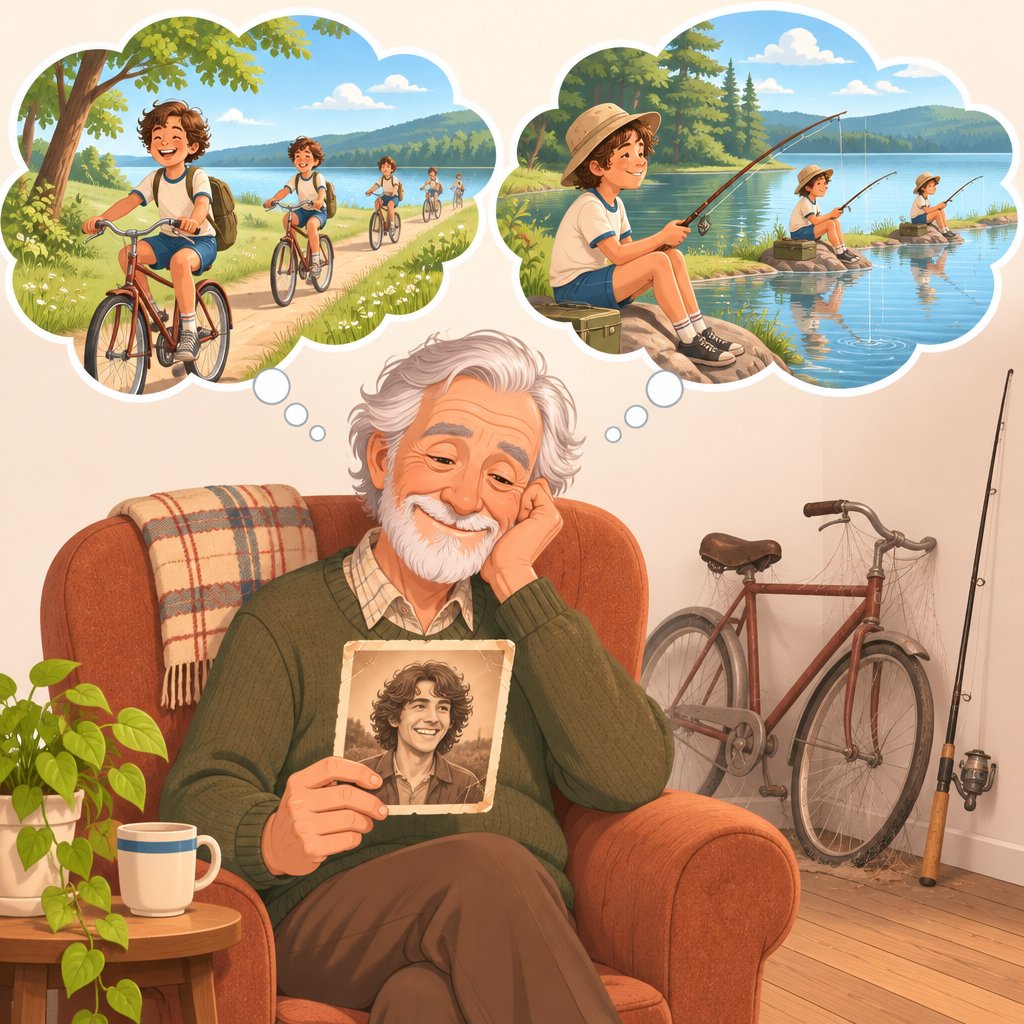
We use used to and would to talk about things that happened regularly in the past but are usually not true now. They are very useful for talking about your childhood, old jobs or how life has changed.
When to use it
1. Used to + verb for past habits (repeated actions)
I used to walk to school every day. She used to play the piano, but she stopped.
2. Used to + verb for past states (situations, feelings, possessions)
We use this with verbs like be, have, live, like, know, believe.
We used to live in a small flat. He used to have long hair.
3. Would + verb for past habits only (not states)
Every summer, we would visit my grandparents. After dinner, my dad would read us a story.
4. Would in stories and memories (higher levels)
Writers often start with used to to set the scene, then continue with would. This sounds natural and a little nostalgic.
When I was a child, we used to spend Sundays at the lake. We would swim all morning, and my mother would make sandwiches.
5. Would to criticise annoying past behaviour (higher levels)
In speech, would is stressed to show annoyance.
He would always leave his socks on the floor. It drove me crazy!
How to form it
| Form | Used to | Would |
|---|---|---|
| Positive | I used to cycle to work. | I would cycle to work. |
| Negative | I didn't use to cycle to work. / I never used to cycle. | I wouldn't cycle to work. (rare) |
| Question | Did you use to cycle to work? | Not usually used for questions about habits |
Notes: - Used to is the same for all persons: I/you/she/they used to. - After did/didn't, write use to (no -d), just like did you go, not did you went. - Never used to is very common in speaking. The formal negative used not to (I used not to like coffee) is rare and sounds old-fashioned. - Would is often shortened to 'd: We'd play outside until dark.
Common mistakes
✗ I would have a dog when I was young. → ✓ I used to have a dog when I was young. Reason: have (possession) is a state, so we cannot use would.
✗ Did you used to live here? → ✓ Did you use to live here? Reason: after did, use the base form use.
✗ I use to go jogging. (meaning the past) → ✓ I used to go jogging. Reason: for the past, the form is used to. For present habits, use the present simple: I go jogging.
✗ I used to visit London three times. → ✓ I visited London three times. Reason: if you say exactly how many times something happened, use the past simple. Used to and would are for regular habits, not a total number.
✗ I would play football. (with no context) → ✓ When I was at school, I would play football every Saturday. Reason: alone, would can sound like a conditional (I would play if…). Give a clear past time first.
Compare
Used to + verb vs be/get used to + -ing
These look similar but have very different meanings.
- used to + verb = a past habit or state that is finished. I used to work at night. (In the past I did, but not now.)
- be used to + -ing/noun = be familiar with something; it is not strange. I'm used to working at night. (It's normal for me.)
- get used to + -ing/noun = become familiar with something. I'm getting used to working at night. (It's becoming easier.)
Used to vs past simple: the past simple can describe any past action, but used to clearly shows that a habit or state continued for a time and has now changed. Compare I lived in Rome (simple fact) with I used to live in Rome (and I don't now).
Quick tips
- Ask yourself: is it an action or a state? Actions → used to or would. States → only used to.
- Use used to first in a story, then switch to would to avoid repeating yourself. This is great for IELTS and CELPIP speaking tasks.
- Remember the did rule: didn't use to, Did you use to…?
- Don't mix up I used to do (past) and I'm used to doing (familiar now).