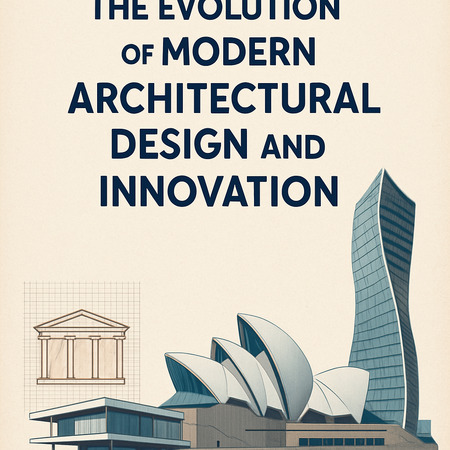
The Evolution of Modern Architectural Design and Innovation
Architecture represents far more than the mere construction of buildings; it embodies the aspirations, values, and technological capabilities of entire civilizations. Throughout history, architectural movements have been shaped by philosophical ideologies, environmental constraints, and the relentless pursuit of beauty intertwined with utility. In our contemporary era, architects are confronted with an unprecedented challenge: reconciling aesthetic ambition with environmental responsibility while meeting the burgeoning demands of urbanized populations.
The twentieth century witnessed revolutionary transformations in architectural philosophy. Modernism, a movement characterized by its rejection of ornamentation and emphasis on function, fundamentally altered how buildings were conceptualized and constructed. However, this philosophy, though innovative, sometimes resulted in sterile urban landscapes that failed to foster genuine human connection. It was subsequently recognized that architecture's true purpose extends beyond mere structural efficiency; it must resonate emotionally with inhabitants and contribute meaningfully to community identity.
Contemporary architectural practice has increasingly been influenced by sustainability considerations, reflecting widespread anxiety about environmental degradation. Green building technologies—from solar panel integration to sophisticated water management systems—are no longer considered luxurious additions but rather essential components of responsible design. Progressive architects advocate for designs that minimize carbon footprints throughout entire building lifecycles, acknowledging that the construction industry significantly impacts global environmental health.
The relationship between architecture and urban planning demonstrates how interconnected these disciplines have become. A single building's design influences traffic patterns, pedestrian flows, and neighborhood character, creating ripple effects throughout entire districts. Consequently, architects must think systemically, considering how their creations interact with surrounding infrastructure and communities. This holistic perspective has given rise to mixed-use developments, where residential, commercial, and recreational spaces coexist harmoniously, creating vibrant, walkable neighborhoods that reduce dependency on automobiles.
Digital technology has revolutionized architectural practice itself. Computer-aided design enables architects to visualize complex geometries previously impossible to construct, liberating imagination while simultaneously demanding sophisticated engineering solutions. Buildings featuring curved facades, intricate parametric designs, and optimized structural systems now punctuate skylines worldwide. Yet this technological advancement raises important questions: does accessibility to advanced tools guarantee meaningful innovation, or might it encourage superficial complexity divorced from genuine purpose?
The tension between preservation and innovation remains perpetually relevant. Historic buildings represent irreplaceable cultural repositories, yet urban development necessitates transformation. Contemporary architects often employ adaptive reuse strategies, ingeniously retrofitting heritage structures with modern functionality. These interventions celebrate historical significance while accommodating contemporary needs, demonstrating that tradition and progress need not constitute opposing forces.
Architecture's influence on human psychology and behavior cannot be overstated. Spatial arrangements, material selections, and lighting design profoundly affect inhabitants' psychological wellbeing, productivity, and social interactions. Architects increasingly collaborate with neuroscientists and psychologists, applying evidence-based insights to create spaces that actively promote mental health and social cohesion.
Ultimately, architecture serves as a tangible manifestation of human ambition and values. The buildings we construct encode our priorities, beliefs, and visions for collective futures. As contemporary architects navigate climate urgency, technological possibility, and social complexity, they shoulder responsibility not merely for creating shelters, but for shaping the physical environments within which human civilization unfolds. Architecture, therefore, remains profoundly consequential to humanity's trajectory.