Understanding the Psychology Behind Consumer Decision Making
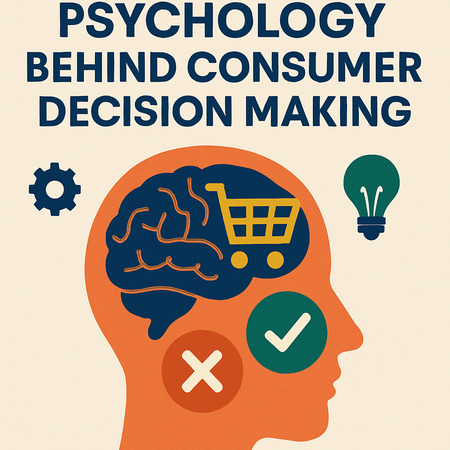
The human mind operates as an intricate mechanism, constantly processing information and making decisions that are far more complex than we typically acknowledge. When consumers are presented with an array of choices, their decision-making processes are profoundly influenced by psychological principles that operate largely beneath conscious awareness. Understanding these hidden forces has become instrumental in shaping modern marketing strategies and consumer behavior research.
One of the most compelling psychological phenomena that affects purchasing decisions is the concept of cognitive biases. These mental shortcuts, known as heuristics, enable individuals to make rapid judgments without exhaustive analysis. However, they often lead to predictable patterns of irrational decision-making. For instance, the anchoring bias causes people to rely excessively on the initial piece of information encountered, which subsequently influences their evaluation of subsequent options. When a retailer displays an original price before revealing a discounted price, consumers' perception of value is substantially altered by this initial anchor, regardless of the product's actual worth.
Another significant psychological principle is loss aversion, whereby individuals experience greater emotional distress from potential losses than satisfaction from equivalent gains. This asymmetry in emotional response has been extensively documented by behavioral economists and has profound implications for how products and services are marketed. Consequently, marketers frequently emphasize what consumers will lose if they fail to purchase a product, rather than highlighting potential benefits. This strategy proves remarkably effective because the fear of missing out overwhelms rational cost-benefit analysis.
The role of social proof cannot be underestimated in contemporary consumer psychology. Individuals are inherently inclined to follow the actions and opinions of others, particularly when uncertainty prevails. This tendency is so powerful that it can override personal preferences and critical thinking. Customer testimonials, user reviews, and celebrity endorsements leverage this psychological mechanism to encourage purchasing behavior. When potential buyers observe that numerous people have already purchased and endorsed a product, they interpret this collective action as validation of quality and desirability.
Furthermore, the principle of reciprocity shapes consumer interactions in subtle yet significant ways. When businesses provide customers with complimentary samples, valuable information, or exceptional service without immediate expectation of payment, a psychological obligation is created. Consumers feel compelled to reciprocate this generosity by making purchases or recommending the brand to others. This innate human tendency toward reciprocal behavior has been deliberately incorporated into business models to strengthen customer loyalty and increase lifetime value.
The impact of emotional triggers on decision-making deserves particular attention in contemporary marketing discourse. Colors, imagery, music, and even scent have been scientifically proven to evoke emotional responses that influence purchasing intentions. Retailers meticulously engineer their environments to stimulate specific emotional states that facilitate consumer spending. A cozy coffee shop ambiance, for example, creates feelings of comfort and belonging, making customers more likely to linger and purchase additional items.
In conclusion, consumer decision-making is orchestrated by a symphony of psychological principles that operate both consciously and unconsciously. Recognition of these mechanisms enables individuals to become more discerning consumers, capable of distinguishing between genuine needs and manufactured desires. As psychological research continues to illuminate the depths of human behavior, the line between consumer autonomy and psychological manipulation becomes increasingly blurred, raising important ethical questions about responsibility and transparency in modern commerce.