Future Continuous and Future Perfect
In progress or finished by a future time.
At 10 am tomorrow I'll be flying to Rome.
I'll have finished the report by Friday.
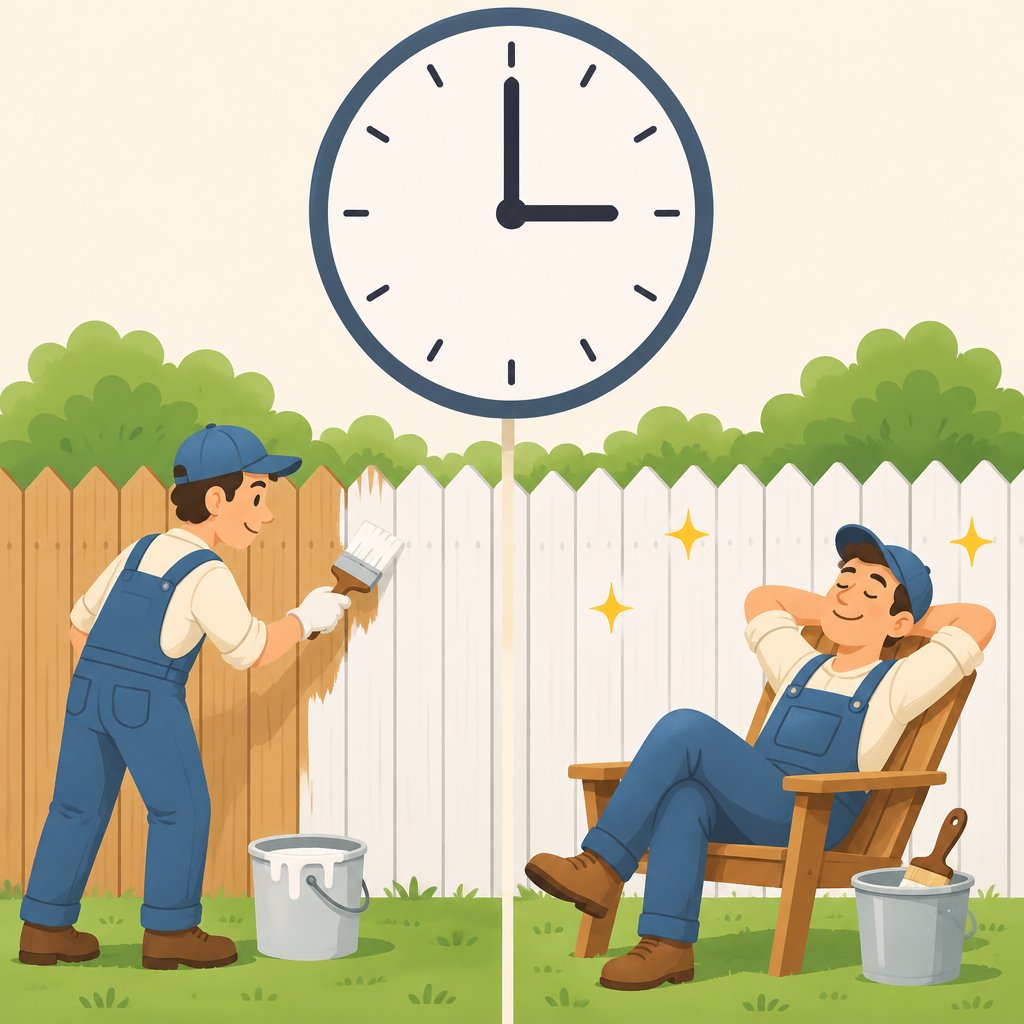
We use these two tenses to talk about a moment in the future. The future continuous shows an action in progress at that moment. The future perfect shows an action finished before that moment.
When to use it
Future continuous (will be + -ing)
- An action in progress at a future time - This time tomorrow, I'll be flying to Toronto. - Don't call at 8. We'll be having dinner.
- Planned or expected events (things that will happen anyway) - I'll be passing the post office, so I can post your letter.
- Polite questions about someone's plans. This sounds softer than Will you...? - Will you be using the car tonight?
- Guessing about the present (advanced) - Don't phone Sam now. He'll be sleeping.
Future perfect (will have + past participle)
- An action finished before a future time. We often use by or by the time. - By 6 p.m., I'll have finished the report. - By the time you arrive, the film will have started.
- How long something has lasted up to a future point - Next June, we'll have lived here for ten years.
- Guessing about the past (advanced) - You'll have heard the news, I'm sure.
Future perfect continuous (advanced). This tense focuses on the length of an activity that is still going on at a future point. - By December, she'll have been working at the bank for five years.
How to form it
| Form | Future continuous | Future perfect |
|---|---|---|
| Positive | I will ('ll) be working. | I will ('ll) have worked. |
| Negative | I won't be working. | I won't have worked. |
| Question | Will you be working? | Will you have worked? |
| Short answer | Yes, I will. / No, I won't. | Yes, I will. / No, I won't. |
The form is the same for all persons (I, you, he, they...). You can also use be going to: I'm going to be working late.
Common mistakes
- ✗ By the time she will arrive, we'll have eaten. → ✓ By the time she arrives, we'll have eaten. After time words like by the time, when and before, use the present tense, not will.
- ✗ I'll be finishing the essay by Friday. → ✓ I'll have finished the essay by Friday. By + time usually means "finished before then", so use the future perfect.
- ✗ This time next week, I'll be knowing my results. → ✓ This time next week, I'll know my results. State verbs (know, believe, own, like) are not normally used in continuous forms.
- ✗ We will have finish the project. → ✓ We will have finished the project. After have, use the past participle.
- ✗ I'll have finished it until Monday. → ✓ I'll have finished it by Monday. By means "no later than". Until means "all the time up to" (I'll be here until Monday).
Compare
The main question is: is the action still happening, or is it finished?
- At 9 p.m., I'll be watching the match. → The match is in progress at 9.
- At 9 p.m., I'll have watched the match. → The match is over by 9.
Imagine a photo taken at a future moment. With the future continuous, the action is happening in the photo. With the future perfect, the action is already in the past.
You should also know the difference between the future perfect and the future perfect continuous: - By noon, I'll have written three emails. → Result and number (finished). - By noon, I'll have been writing emails for three hours. → Duration (still going).
Quick tips
- Look for time signals: this time tomorrow / at 10 a.m. often means future continuous. By... / by the time... often means future perfect.
- Use Will you be...ing? to ask about plans politely. It sounds natural in speaking tests.
- In IELTS Writing Task 1, the future perfect works well for predictions: By 2050, the population will have doubled.
- Use will + continuous or perfect forms to make guesses about now or the past. This shows C1-level control: They'll be landing now. / She'll have left by now.