Past Perfect Continuous
Duration before a past moment.
We had been waiting for two hours when the bus finally arrived.
He was out of breath because he had been running.
I had been calling her all morning before she finally answered.
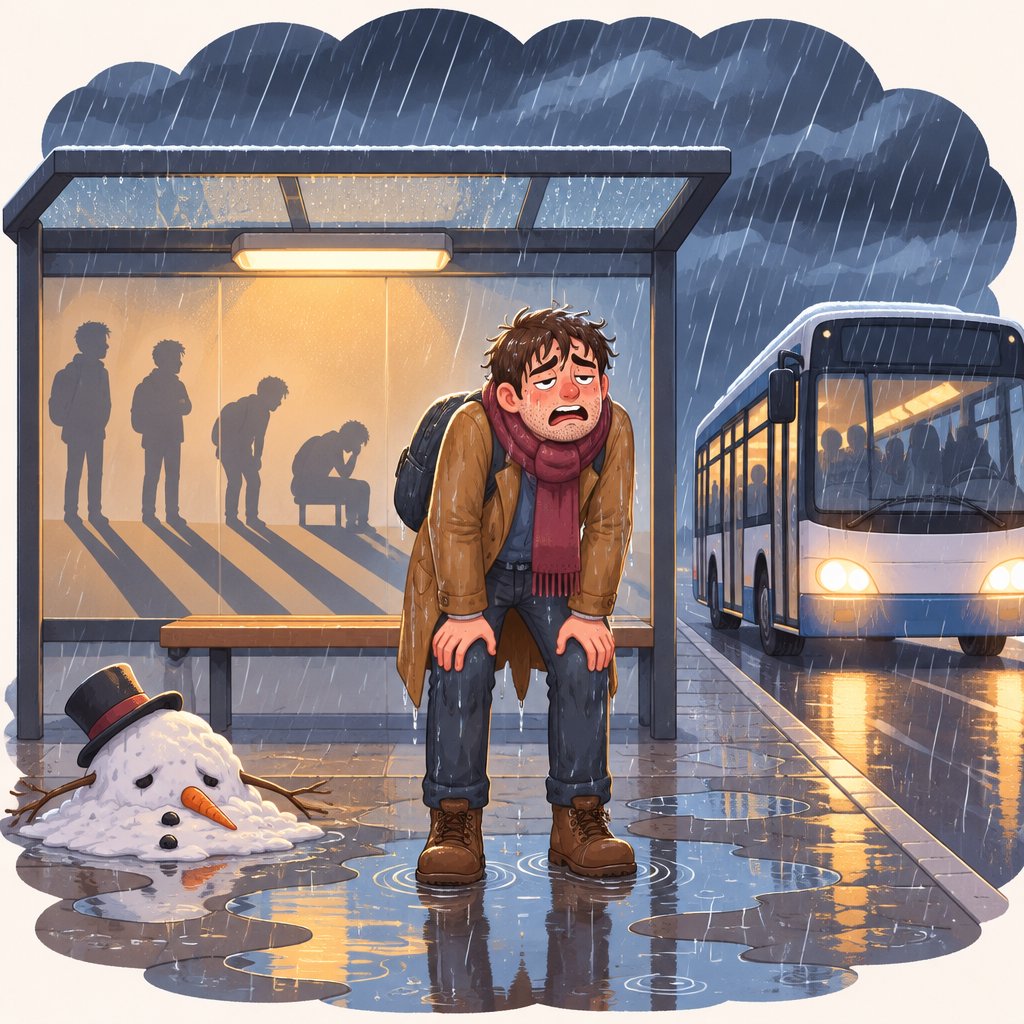
The past perfect continuous (had been + -ing) describes an activity that was in progress for some time before another moment in the past. It looks back from a past point and focuses on duration, activity, or the effect of that activity.
When to use it
1. Duration up to a past moment. We often use it with for, since, all day or how long. - By 2019, she had been working at the bank for ten years. - When I arrived, they had been waiting since noon.
2. A past activity that explains a past result. The activity may have just stopped. - His eyes were red because he had been crying. - The streets were wet. It had been raining all night.
3. Repeated actions before a past moment. - She had been calling him all week before he finally answered.
4. Reported speech. The present perfect continuous and the past continuous often move back to the past perfect continuous. - "I've been studying all day." → She said she had been studying all day.
5. Third conditionals and wishes (advanced). These focus on an activity in progress in the unreal past. - If I hadn't been texting, I would have seen the sign. - I wish I had been listening more carefully.
How to form it
| Form | Structure | Example |
|---|---|---|
| Positive | subject + had been + verb-ing | They had been arguing. |
| Negative | subject + had not (hadn't) been + verb-ing | She hadn't been sleeping well. |
| Question | Had + subject + been + verb-ing? | Had you been drinking? |
| Wh- question | Wh- + had + subject + been + verb-ing? | How long had he been living there? |
The form is the same for all persons (I/you/he/they had been). In speech, had is usually shortened: I'd been, she'd been.
Common mistakes
-
✗ I had been knowing him for years. → ✓ I had known him for years. Stative verbs (know, believe, own, belong) are not normally used in continuous forms.
-
✗ She was exhausted because she has been running. → ✓ She was exhausted because she had been running. The story is in the past, so look back from the past with had been, not has been.
-
✗ By the time we left, I had been writing three emails. → ✓ By the time we left, I had written three emails. When you give a number or a finished result, use the past perfect simple.
-
✗ They had been waiting since two hours. → ✓ They had been waiting for two hours. Use for + a period of time and since + a starting point.
-
✗ The road had been being repaired for months. → ✓ Workers had been repairing the road for months. / ✓ The road had been under repair for months. The passive form is grammatically possible but sounds very awkward. Advanced writers usually rephrase it.
Compare
Past perfect continuous vs. past perfect simple
Both look back from a past moment. The difference is focus:
| Past perfect continuous | Past perfect simple |
|---|---|
| Focus on the activity or duration | Focus on the completed result or amount |
| She had been reading the report. (maybe not finished) | She had read the report. (finished) |
| I had been painting, so my hands were dirty. | I had painted two rooms by lunchtime. |
| Often temporary | Often permanent or long-term |
Compare: He had been living in Rome (it feels temporary) and He had lived in Rome all his life (permanent).
Past perfect continuous vs. past continuous: When I arrived, she was cooking means the cooking was still in progress at that moment. When I arrived, she had been cooking means she had been busy before I came, and she had probably just stopped. You can perhaps see the result, such as a messy kitchen.
Quick tips
- Ask yourself: Am I looking back from a past moment at an activity over time? If yes, use had been + -ing.
- Use it to explain past evidence: He was out of breath because he had been running.
- Don't overuse it in storytelling. Use it once to set the background, then return to the past simple.
- In IELTS and CELPIP speaking, a natural third conditional like If I hadn't been rushing, I wouldn't have made that mistake shows high-level control.