Present Perfect Continuous
Duration up to now and recent activity.
I have been waiting here since 9 a.m.
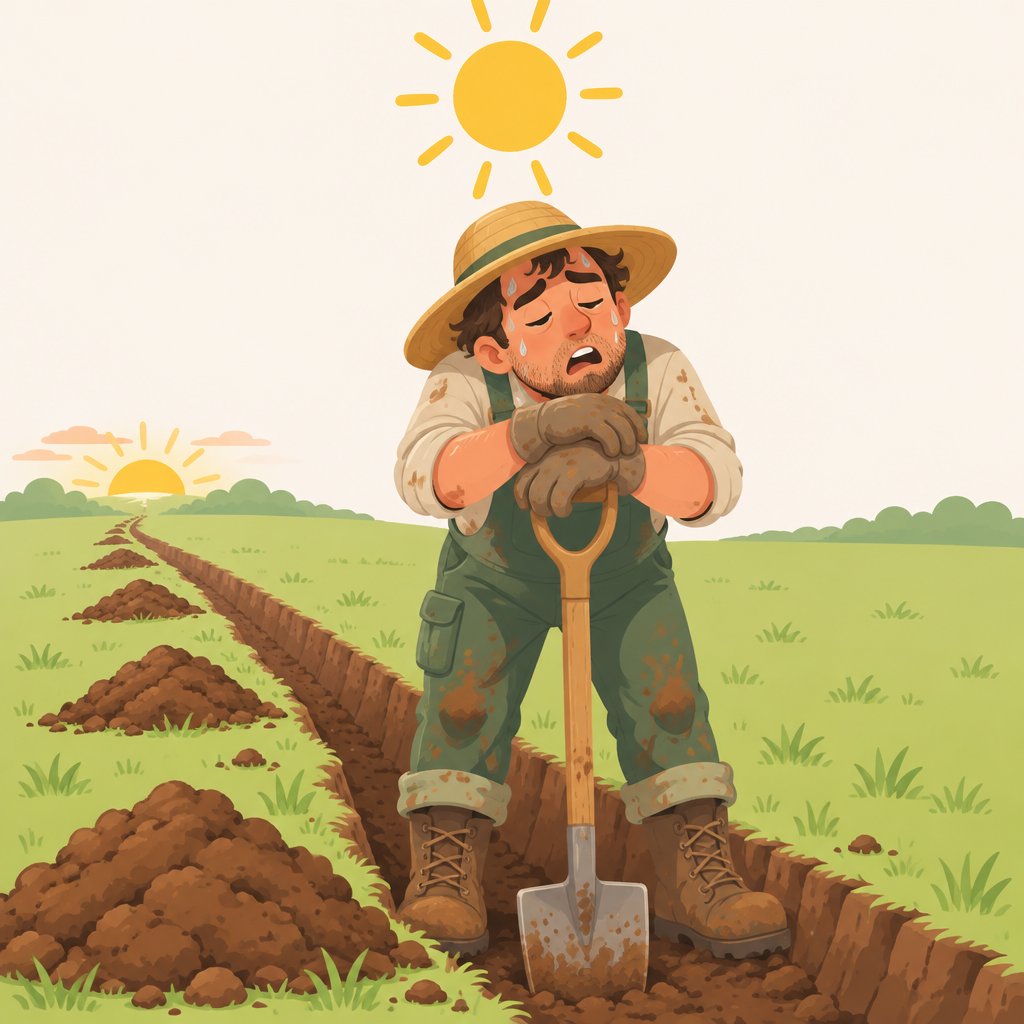
I'm out of breath because I have been running.
I have been calling you all morning!
When to use it
The present perfect continuous connects the past and the present. We use it to talk about activities, not finished results.
1. An action that started in the past and is still going on (duration up to now). We often use for, since and How long…?
I have been studying English for three years. How long have you been waiting for the bus?
2. A recent activity that has just stopped, with a result we can see or feel now.
Your eyes are red. Have you been crying? I'm out of breath because I've been running.
3. Repeated actions over a period up to now.
She's been calling me every day this week. They've been arguing a lot lately.
4. Temporary situations.
I've been sleeping on my friend's sofa until I find a flat.
5. (Advanced) Feelings, complaints and criticism. The continuous form can show irritation or surprise.
Who's been using my laptop? The battery is empty! You've been telling me lies all along.
Note the fixed phrase I've been meaning to…. It describes an intention you have had for some time but have not acted on yet: I've been meaning to call you for weeks.
How to form it
have / has + been + verb-ing
| Form | Structure | Example |
|---|---|---|
| Positive | subject + have/has + been + verb-ing | She has been working all day. |
| Negative | subject + haven't/hasn't + been + verb-ing | We haven't been sleeping well. |
| Question | Have/Has + subject + been + verb-ing? | Have you been waiting long? |
| Short answer | Yes, I have. / No, she hasn't. | Has it been raining? Yes, it has. |
In speech we usually use contractions: I've, he's, they've. The passive form (has been being built) is possible but very rare and sounds awkward. Use the present perfect simple passive instead: The bridge has been under construction for two years or The bridge has been built.
Common mistakes
- ✗ I am living here since 2019. → ✓ I have been living here since 2019. An action from the past up to now needs a perfect tense, not the present continuous.
- ✗ I have been knowing him for years. → ✓ I have known him for years. State verbs (know, believe, own, belong) are not usually used in continuous forms.
- ✗ I've been writing three emails today. → ✓ I've written three emails today. When you count finished results, use the present perfect simple.
- ✗ She has been worked here for five years. → ✓ She has been working here for five years. After been, use the -ing form.
- ✗ I've been waiting since two hours. → ✓ I've been waiting for two hours. Use for with a period of time and since with a starting point.
Compare
Learners often confuse this tense with the present perfect simple (have + past participle).
| Present perfect continuous | Present perfect simple |
|---|---|
| Focus on the activity or how long it lasted | Focus on the result or how much was done |
| I've been painting the kitchen. (maybe not finished, and there's paint on my clothes) | I've painted the kitchen. (it's finished) |
| How long have you been reading? | How many pages have you read? |
| Temporary: I've been living here for a few weeks. | Permanent: I've lived here all my life. |
With verbs like live, work and teach, both forms are often correct and the meaning is almost the same: I've worked / I've been working here since May.
Advanced point: some state verbs can be continuous when they describe an activity, not a state.
- I've been thinking about your offer. (thinking = considering)
- We've been having problems with the car. (having = experiencing)
Compare these with the state meanings: I think it's a good idea and We have a car.
Quick tips
- Ask yourself: am I talking about how long (continuous) or how many / how much (simple)?
- In speaking exams, this tense sounds natural for your background: I've been working as a nurse for six years.
- Use it to explain present evidence: The ground is wet. It's been raining.
- Don't use it with a finished time like yesterday or in 2020. Use the past simple for those.