Present Simple
Habits, facts and routines; third person -s; do/does.
She gets up at seven every day.
Water boils at 100 degrees Celsius.
My brother lives in London.
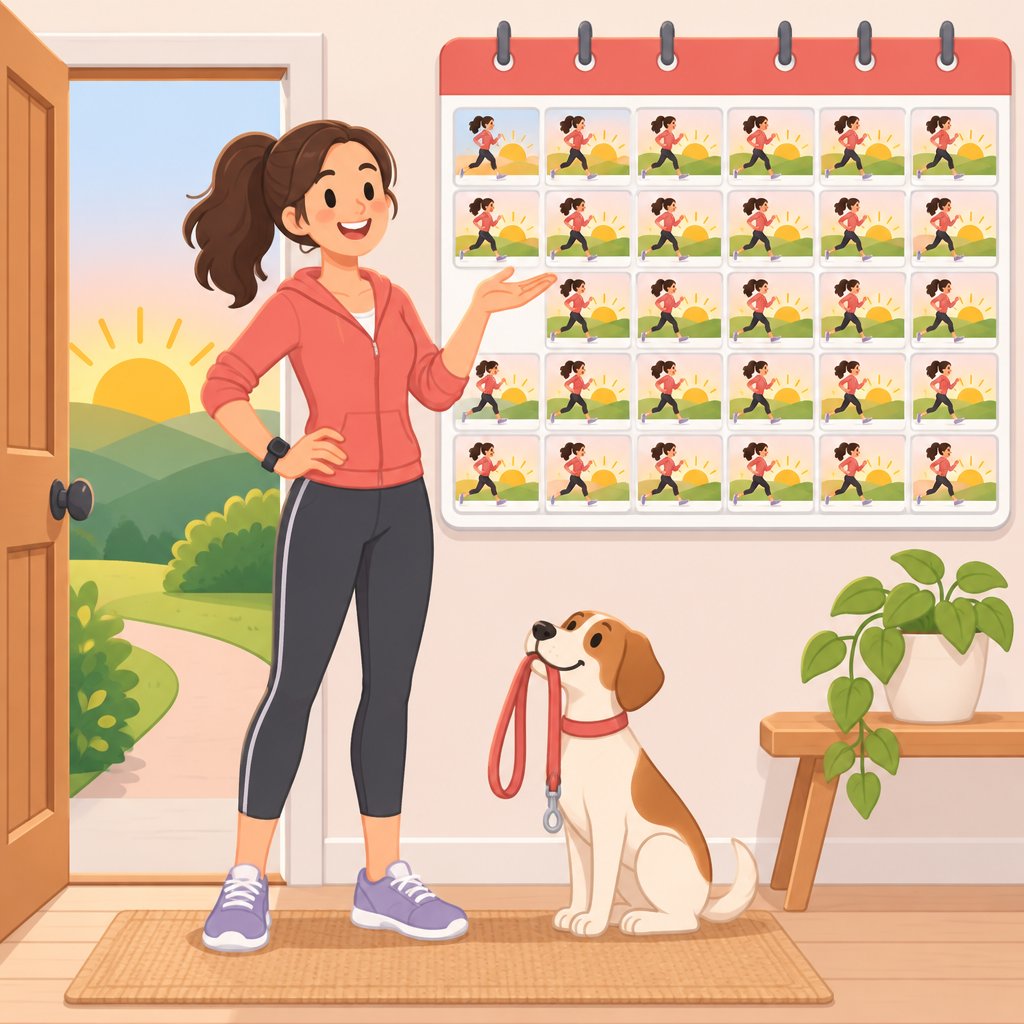
When to use it
1. Habits and routines: things you do regularly. I drink coffee every morning. She goes to the gym twice a week.
2. Facts and general truths: things that are always true. Water boils at 100°C. The sun rises in the east.
3. Permanent situations: your job, home and long-term life. My brother lives in Toronto. They work for a bank.
4. States, feelings and opinions: use it with stative verbs like know, like, want, need, believe, own, understand. I know the answer. He doesn't understand the question.
5. Timetables and schedules (future meaning): public times like trains, classes and events. The train leaves at 7:15 tomorrow. The exam starts on Monday.
6. Future time clauses: after when, as soon as, before, after, until and if, even when the meaning is future. I'll call you when I arrive. If it rains, we'll stay home.
How to form it
| I / you / we / they | he / she / it | |
|---|---|---|
| Positive | I work. | She works. |
| Negative | I don't (do not) work. | She doesn't (does not) work. |
| Question | Do you work? | Does she work? |
| Short answer | Yes, I do. / No, I don't. | Yes, she does. / No, she doesn't. |
Spelling of the third person -s
| Rule | Examples |
|---|---|
| Most verbs: add -s | work → works, play → plays |
| Verbs ending in -s, -ss, -sh, -ch, -x, -o: add -es | watch → watches, fix → fixes, go → goes, do → does |
| Consonant + y: change to -ies | study → studies, try → tries |
| Irregular | have → has |
Pronunciation: the ending sounds like /s/ (works), /z/ (plays) or /ɪz/ (watches).
Wh- questions: put the question word before do/does. Where do you live? What does your sister do?
Subject questions: when who or what is the subject, don't use do/does. Who lives here? (not Who does live here?)
The verb be: it never uses do/does. She isn't tired. Are you ready?
Adverbs of frequency (always, usually, often, sometimes, never) go before the main verb but after be. She always arrives early. He is never late.
Common mistakes
- ✗ He work in a hospital. → ✓ He works in a hospital. With he/she/it, add -s to the verb.
- ✗ She doesn't likes tea. → ✓ She doesn't like tea. After does/doesn't, use the base verb. The -s is already in does.
- ✗ Does he plays football? → ✓ Does he play football? Only one -s per sentence: does takes it.
- ✗ Where you live? → ✓ Where do you live? Questions need do/does (except with be and subject questions).
- ✗ I'll text you when I will get home. → ✓ I'll text you when I get home. After when, if, before, until, use the present simple for the future.
Compare
Present simple vs present continuous is the most common confusion.
| Present simple | Present continuous |
|---|---|
| Habits, facts, permanent situations | Actions happening now or around now, temporary situations |
| I work in an office. | I'm working from home this week. |
| What do you do? (= What's your job?) | What are you doing? (= right now) |
| It usually rains in April. | Look! It's raining. |
Also remember: stative verbs normally stay in the present simple. ✗ I'm knowing him. → ✓ I know him. ✗ She's wanting a new phone. → ✓ She wants a new phone.
Quick tips
- He, she, it → -s. Check every verb after these words before you finish writing.
- Signal words: always, usually, every day, on Mondays and once a week usually go with the present simple.
- IELTS/CELPIP speaking: when you talk about your hometown, job or daily routine, the present simple is your main tense.
- Future meaning: use it for timetables and after when/if. This is an easy way to show B2-level accuracy.