This, that, these, those
Demonstratives near and far.
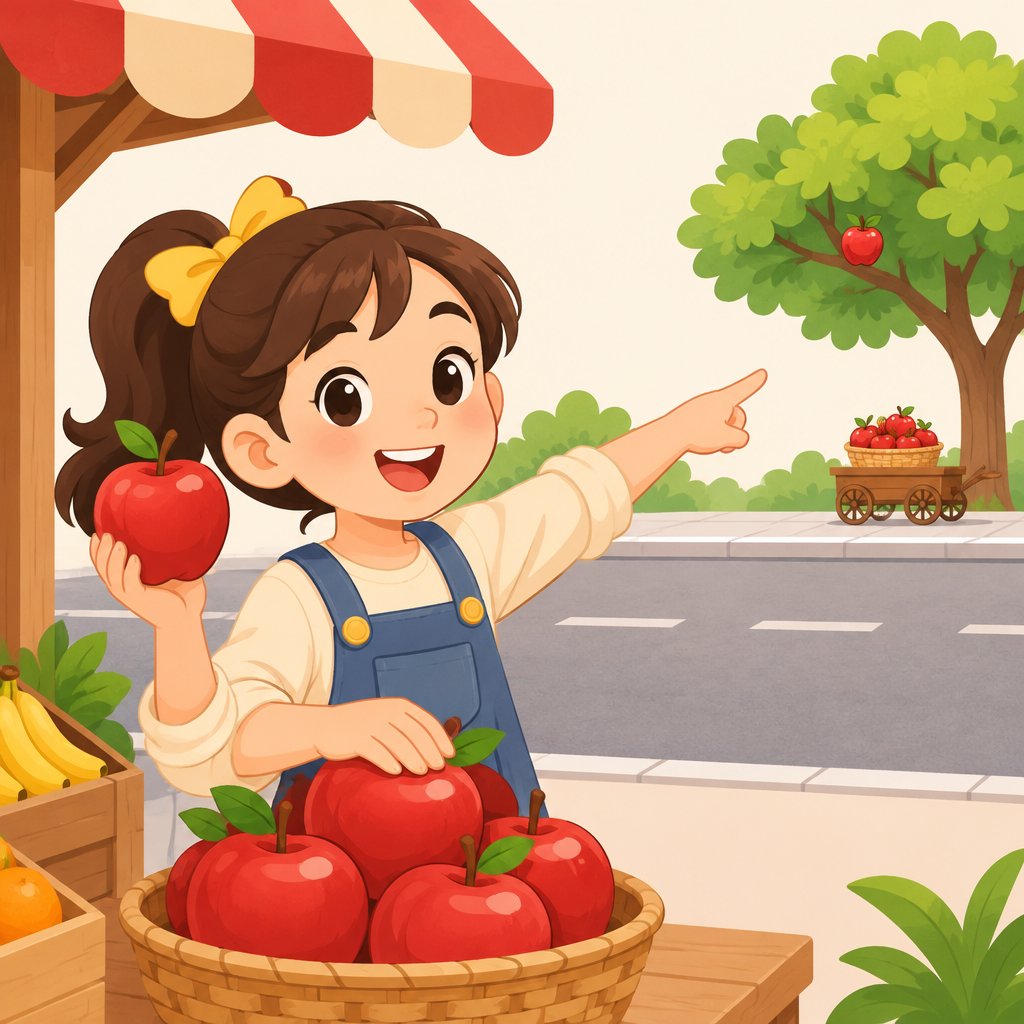
We use this, that, these and those to point to things and people. They tell the listener which one we mean. We choose the word by asking two questions: Is it near or far? Is it one thing or more than one?
When to use it
1. This / these: things near you (here) Use this for one thing and these for two or more things that are close to you. Often you can touch them. - This phone is new. - These shoes are too small for me.
2. That / those: things far from you (there) Use that for one thing and those for two or more things that are not close to you. - Look at that bird on the roof! - Those houses over there are very old.
3. Before a noun or alone The word can come before a noun (this book), or it can stand alone when the noun is clear. - I like this bag. How much is this? - Which shoes do you want? Those, please.
4. Introducing people and on the phone We use this to introduce someone, and this or it to say who we are on the phone. - Mum, this is my friend Leo. - Hello, this is Sara. Can I speak to Tom?
5. Time: now or then This and these talk about the present or near future. That and those talk about the past. - I'm very busy this week. / People work from home a lot these days. - We met in 2015. I was a student at that time.
6. Talking about what someone just said Use that to point back to an idea or something someone said. - "I passed my test!" "That's great!" - That's a good idea.
How to form it
| Near (here) | Far (there) | |
|---|---|---|
| Singular (one) | this | that |
| Plural (more than one) | these | those |
The verb must match: this/that + is, these/those + are.
| Form | Singular | Plural |
|---|---|---|
| Positive | This is my car. | These are my keys. |
| Negative | That isn't my coat. | Those aren't my children. |
| Question | Is this your pen? | Are those your glasses? |
| Short answer | Yes, it is. | Yes, they are. |
Note: in answers, we usually change this/that to it and these/those to they. - Is that your bike? Yes, it is. (not Yes, that is.)
With uncountable nouns, use this or that: this water, that information.
Common mistakes
- ✗ These book is interesting. → ✓ This book is interesting. Book is singular, so use this.
- ✗ This are my parents. → ✓ These are my parents. Parents is plural, so use these + are.
- ✗ I don't know this people. → ✓ I don't know these people. People is a plural noun, so it needs these or those.
- ✗ In this days, everyone has a smartphone. → ✓ These days, everyone has a smartphone. Days is plural. Also, we say these days without in.
- ✗ Can I have that informations? → ✓ Can I have that information? Information is uncountable. It has no plural, so use that, not those.
Compare
This/that vs. it Learners often mix these up. Use this/that the first time you point to something or to show which one. After that, use it because the listener already knows what you mean. - Look at this dress. It's beautiful. - What's that? It's a museum.
This/that vs. the The shows that the listener knows which thing you mean, but it does not point. This/that point and add the idea of near or far. - Can you pass me the salt? (we both know which salt) - Can you pass me that salt, not this one? (I am pointing)
Quick tips
- Remember the pairs: this → these (near), that → those (far). Plural words end in an -se sound.
- Pronunciation matters: this has a short sound /ɪ/; these has a long sound /iː/. Say these slowly so people hear the plural.
- Use this one / that one to avoid repeating a noun: I don't want this shirt. I want that one.
- For IELTS and CELPIP speaking, That's a good question and These days... are natural ways to start an answer.