Biotechnology: Reshaping Our Future Through Science
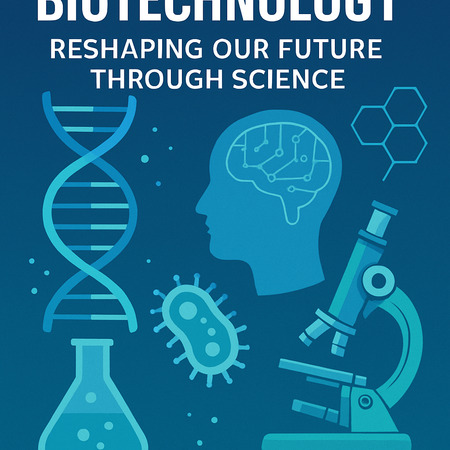
Biotechnology, often described as the bridge between nature and innovation, has emerged as one of the most transformative fields of the twenty-first century. This discipline, which harnesses biological processes to solve practical problems, has fundamentally altered our approach to medicine, agriculture, and environmental conservation. Understanding biotechnology's implications is essential for grasping how our world is being reshaped at the molecular level.
The foundation of modern biotechnology rests upon genetic engineering, a technique through which organisms are modified to exhibit desired characteristics. Among the most groundbreaking developments is CRISPR-Cas9 technology, which functions as molecular scissors, enabling scientists to edit genes with unprecedented precision. Previously, genetic modifications were cumbersome and unreliable; however, CRISPR has democratized this capability, allowing researchers worldwide to conduct experiments that would have been unimaginable merely a decade ago. This technological revolution has cascading implications across multiple sectors.
In the medical realm, biotechnology has unlocked extraordinary possibilities for treating previously incurable diseases. Gene therapy, whereby defective genes are replaced or corrected, offers hope to patients suffering from genetic disorders such as cystic fibrosis and certain forms of blindness. Furthermore, personalized medicine—an approach tailored to an individual's unique genetic profile—promises to maximize treatment efficacy while minimizing adverse effects. Pharmaceutical companies are investing billions in developing biologics, complex molecules derived from living organisms, which often prove more effective than conventional drugs. The COVID-19 pandemic dramatically illustrated biotechnology's potential, as mRNA vaccines were developed and distributed globally within an unprecedented timeframe.
Agricultural biotechnology addresses humanity's most pressing challenge: feeding a burgeoning global population sustainably. Genetically modified crops engineered for drought resistance, enhanced nutritional content, and pest immunity represent a double-edged sword. While these innovations promise to reduce pesticide usage and increase crop yields, concerns regarding ecological consequences and corporate control of food systems persist among critics. Nevertheless, biotechnological solutions appear indispensable for mitigating food insecurity in regions plagued by climate instability.
Environmental remediation constitutes another frontier where biotechnology demonstrates remarkable potential. Engineered microorganisms have been developed to absorb heavy metals from contaminated water and degrade plastic waste, which has accumulated as a silent catastrophe in our oceans. These biological solutions, though still in developmental stages, suggest that nature itself might be weaponized against the environmental damage humans have inflicted.
Despite its tremendous promise, biotechnology raises profound ethical questions that society must confront thoughtfully. The prospect of designer babies—infants genetically enhanced for intelligence or athletic ability—elicits legitimate concerns about inequality and the commodification of human life. Moreover, intellectual property regulations surrounding biotechnological innovations often disadvantage developing nations, potentially exacerbating global disparities.
Biotechnology represents neither salvation nor damnation, but rather a powerful tool whose impact depends entirely upon how humanity chooses to wield it. The coming decades will determine whether this science becomes an instrument for equitable progress or deepens existing inequalities. What remains certain is that biotechnology has irrevocably entered our collective future, demanding vigilant oversight, ethical reflection, and democratic participation in shaping its trajectory.