The Hidden Mechanics of Modern Political Campaigns
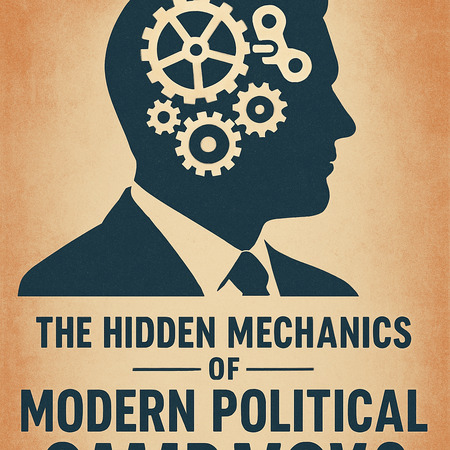
The machinery of modern political campaigns has evolved into an extraordinarily complex ecosystem, where traditional methods of persuasion are increasingly intertwined with cutting-edge technology and psychological manipulation. Understanding how elections are won and lost requires a deeper examination of the forces that shape public opinion, often operating invisibly beneath the surface of democratic processes.
Contemporary campaigns are characterized by unprecedented levels of data collection and analysis. Political strategists now employ sophisticated algorithms to identify swing voters, micro-target specific demographic groups, and predict electoral outcomes with remarkable precision. This scientific approach to politics represents a fundamental shift from the era when campaigns relied primarily on mass media broadcasts and public speeches. The transformation has been so profound that some scholars argue elections are won not in town halls or television studios, but rather in the servers of technology companies analyzing millions of data points.
The role of narrative construction cannot be overstated in modern politics. Politicians and their advisors meticulously craft stories that resonate emotionally with voters, transcending mere policy discussion. These narratives often employ metaphorical language, comparing political opponents to existential threats or portraying candidates as saviors capable of rescuing the nation from impending disaster. Such rhetoric, whether intentionally or unintentionally, oversimplifies complex policy issues and appeals to voters' fears and aspirations rather than their rational analysis.
Social media platforms have fundamentally altered the political landscape, creating unprecedented opportunities for rapid information dissemination—and misinformation propagation. Viral content spreads exponentially, often without fact-checking or editorial oversight. While traditional gatekeepers of information once filtered political messaging, these barriers have largely dissolved. Consequently, unverified claims and manipulated images circulate globally within hours, shaping perceptions and influencing voter behavior before corrections can be issued.
Financial resources remain paramount in determining campaign viability. Enormous sums are invested in advertising, staff, and infrastructure, effectively creating an entry barrier for candidates lacking substantial funding. This reality has prompted considerable debate regarding whether democracies can truly function fairly when campaigns require vast monetary resources. Some argue that wealthy individuals and corporations exert disproportionate influence through political donations, thereby undermining the principle of equal representation.
Despite these challenges, political engagement remains essential for maintaining democratic societies. Citizens are encouraged to look beyond surface-level campaign messaging, critically evaluate sources of information, and participate actively in electoral processes. The future of democracy may ultimately depend upon voters' willingness to resist manipulation and demand greater transparency from those seeking power.
Understanding political mechanisms empowers citizens to make informed decisions and hold their representatives accountable. While the landscape has become increasingly sophisticated and sometimes troubling, informed participation remains democracy's greatest defense against abuse and corruption.