The Complex Intersection of Geography, Power, and Global Influence
Geopolitics, the multifaceted discipline examining how geographical factors influence international relations and state behaviour, has emerged as an indispensable framework for comprehending contemporary global dynamics. Far from being merely the study of maps and boundaries, geopolitics constitutes a sophisticated analytical lens through which we can deconstruct the intricate interplay between physical geography, resource distribution, demographic patterns, and the perpetual struggle for hegemonic advantage among nation-states.
The fundamental proposition underlying geopolitical analysis posits that geography is not merely incidental to politics but fundamentally constitutive of it. Geographical positioning determines access to critical resources, maritime routes, and strategic chokepoints that confer disproportionate influence upon their controllers. Consider the Strait of Hormuz, through which approximately one-third of the world's maritime petroleum trade traverses; any disruption to this waterway reverberates throughout global energy markets and geopolitical calculations. Similarly, the distribution of rare earth elements, concentrated predominantly in specific regions, has become increasingly consequential as technological advancement renders these materials indispensable for contemporary economies.
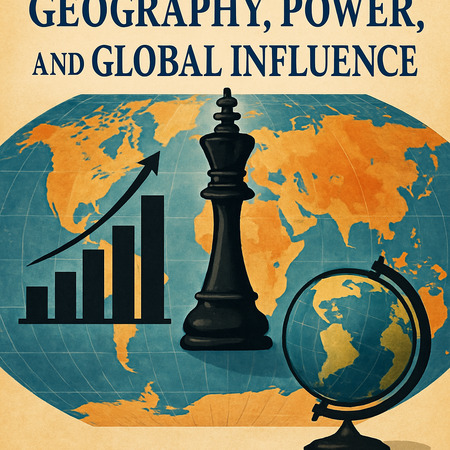
Contemporary geopolitical competition manifests itself through multifarious mechanisms extending well beyond traditional military confrontation. The strategic competition between established and emergent powers—particularly the United States and China—exemplifies how geopolitical rivalry permeates economic policy, technological innovation, and infrastructural development. China's Belt and Road Initiative, ostensibly an economic development programme, simultaneously represents a sophisticated geopolitical strategy designed to augment Beijing's influence across Asia, Africa, and beyond, thereby consolidating its position as a paramount regional power whilst challenging Western-dominated international institutions.
Furthermore, the interplay between geography and demography introduces additional layers of complexity to geopolitical analysis. Population distribution, migration patterns, and demographic trajectories inexorably shape a nation's geopolitical position and leverage. Rising populations in the Global South, coupled with climate-induced resource scarcity, will precipitate unprecedented migration pressures and competition for agricultural and freshwater resources. These demographic shifts will fundamentally reconfigure geopolitical alignments, potentially generating instability in regions already characterized by institutional fragility and interstate tensions.
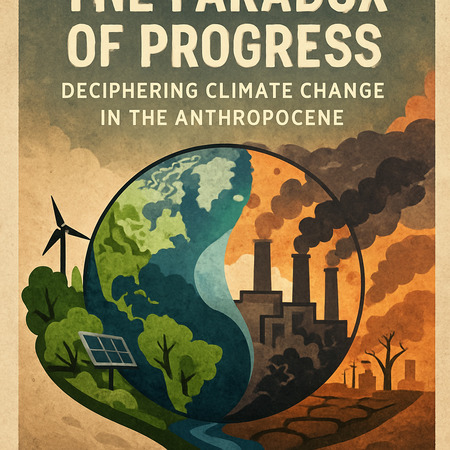
The environmental dimension of geopolitics has acquired increasing salience as climate change imperils the geographical stability upon which conventional geopolitical analysis has traditionally relied. Rising sea levels threaten small island nations and coastal population centres; desertification renders previously arable land inhospitable; and freshwater scarcity exacerbates tensions in already contentious regions. These environmental transformations will inexorably produce geopolitical realignments, as nations reassess their strategic interests in light of climatic realities. Arctic melting, for instance, promises previously inaccessible resources and novel shipping routes, thereby impelling Arctic states to recalibrate their strategic positioning in this emerging theatre of competition.
Moreover, the advent of technological innovation has substantially transformed the nature of geopolitical competition. Cyber warfare, space militarization, and artificial intelligence capabilities now constitute critical dimensions of state power, transcending the traditional primacy of territorial control and military hardware. States increasingly recognize that technological supremacy confers geopolitical advantage, propelling investment in research and development whilst simultaneously generating dependencies upon critical technologies that fundamentally constrain strategic autonomy.
The contemporary geopolitical landscape consequently resists simplistic categorization. Rather than permitting unambiguous delineation between allied and adversarial states, the proliferation of complex interdependencies and multifaceted interests generates a profoundly ambiguous international system wherein cooperation and competition coexist simultaneously. Understanding this nuanced terrain demands rigorous geopolitical analysis that appreciates both the enduring significance of geography and the transformative impact of technological, demographic, and environmental forces reshaping the international system.