Countable and uncountable nouns
a/an, some, much/many with nouns.
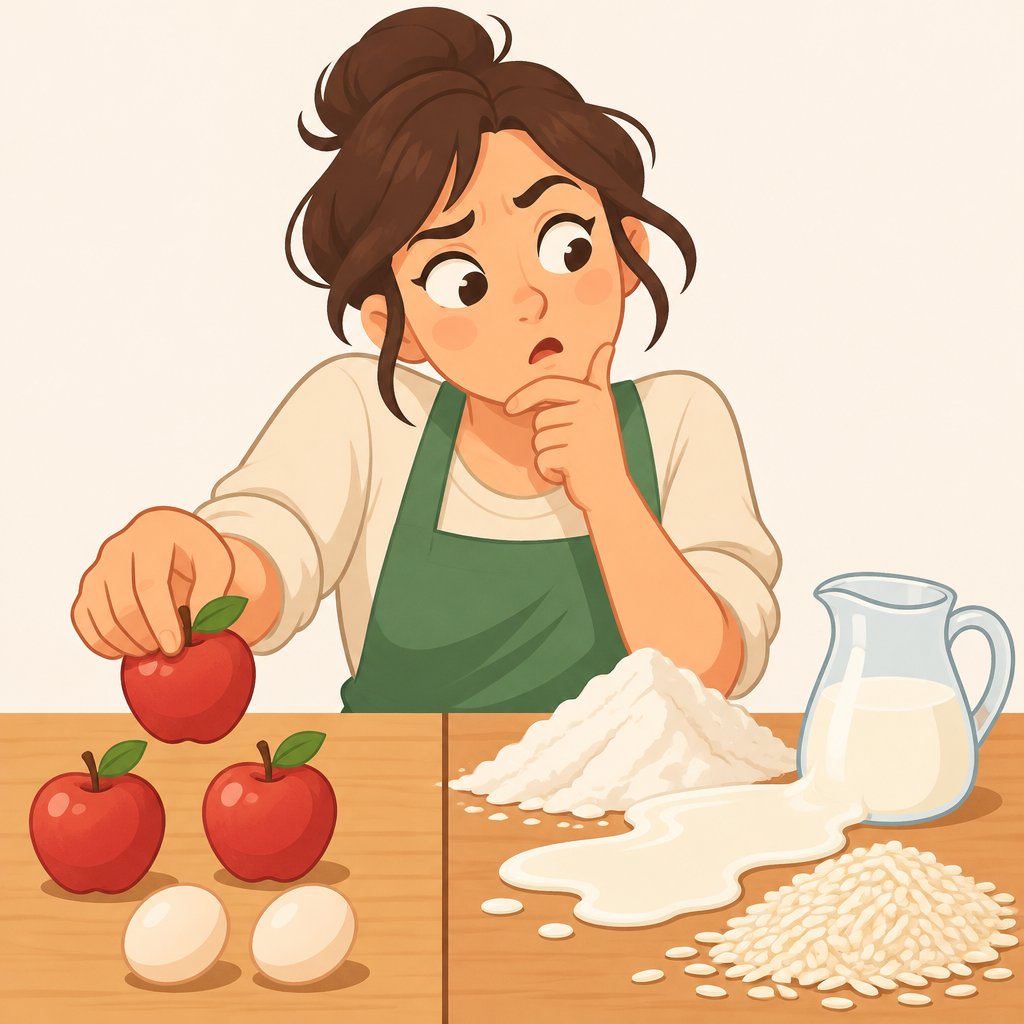
Nouns in English are either countable (you can count them: one apple, two apples) or uncountable (you cannot count them: water, rice, information). This difference changes which small words you use before the noun: a/an, some, any, much or many.
When to use it
1. Countable nouns have a singular and a plural form. Use a/an with one thing. I have a sister and two brothers. She ate an orange.
2. Uncountable nouns have no plural form and take a singular verb. Never use a/an with them. Water is important for health. Can you give me some advice?
Common uncountable nouns: water, milk, rice, bread, money, time, information, advice, news, furniture, luggage, homework, work, weather, traffic, equipment.
3. Some goes with plural and uncountable nouns in positive sentences. It also goes in questions when you offer or ask for something. There are some eggs in the fridge. Would you like some tea?
4. Any goes with plural and uncountable nouns in negatives and most questions. We don't have any milk. Are there any questions?
5. Many goes with plural countable nouns. Much goes with uncountable nouns. Both are most common in negatives and questions. How many people came? I don't have much time.
6. A lot of works with both types and is the natural choice in positive sentences. She has a lot of friends. He drinks a lot of coffee.
7. To count uncountable things, use a unit word. a piece of advice, a cup of coffee, a loaf of bread, a bottle of water, a slice of cake
How to form it
| Singular countable | Plural countable | Uncountable | |
|---|---|---|---|
| Positive | I have a car. | I have some / a lot of books. | I have some / a lot of money. |
| Negative | I don't have a car. | I don't have any / many books. | I don't have any / much money. |
| Question | Do you have a car? | Do you have any books? How many books? | Do you have any money? How much money? |
Quantity words:
| Countable (plural) | Uncountable |
|---|---|
| many | much |
| a few (some, a small number) | a little (some, a small amount) |
| few (not many) | little (not much) |
| fewer | less |
Common mistakes
- ✗ Can you give me some informations? → ✓ Can you give me some information? Information is uncountable, so it has no plural. The same is true for advice, news, furniture and luggage.
- ✗ I need an advice. → ✓ I need some advice. / I need a piece of advice. Don't use a/an with uncountable nouns.
- ✗ There were much people at the party. → ✓ There were a lot of people at the party. People is plural and countable, so use many or a lot of, not much.
- ✗ The news are good. → ✓ The news is good. News ends in -s, but it is uncountable and takes a singular verb.
- ✗ I have much homework today. → ✓ I have a lot of homework today. Much in positive sentences sounds very formal. In everyday speech, use a lot of.
Compare
Nouns that can be both countable and uncountable. Many nouns change meaning depending on how you use them. This point matters at B1–B2 and in IELTS and CELPIP.
| Uncountable (general) | Countable (specific) |
|---|---|
| I don't drink coffee. (the drink) | Two coffees, please. (two cups) |
| I don't have time. (time in general) | I called three times. (occasions) |
| She has a lot of experience. (skill) | It was a great experience. (an event) |
| Print it on paper. (material) | I bought a paper. (a newspaper) |
| We had chicken for dinner. (food) | They keep chickens. (animals) |
| The room needs more light. | Turn off the lights. (lamps) |
Fewer vs less. In careful English, use fewer with countable nouns (fewer cars) and less with uncountable nouns (less traffic).
Quick tips
- Ask yourself: Can I put a number before it? If you can say three ___s, the noun is countable.
- Learn tricky uncountable nouns as a group: advice, information, news, furniture, luggage, equipment, homework, research.
- Use How many for countable nouns and How much for uncountable nouns and prices: How much is it?
- In writing exams, a number of goes with countable nouns and an amount of goes with uncountable nouns. Using them correctly shows good grammar control.