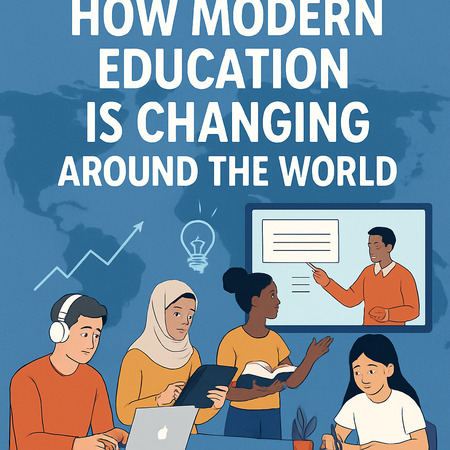
How Modern Education is Changing Around the World
Education has always been considered the foundation of society, but the way we learn has changed dramatically over the past decade. Traditional classrooms with rows of desks and a teacher at the front are no longer the only option for students seeking knowledge.
The rise of online learning platforms has revolutionized education. Companies like Coursera and Khan Academy have made it possible for anyone with an internet connection to learn almost anything. Students can now study at their own pace, which is particularly beneficial for those who work full-time or have family responsibilities. However, this shift hasn't been smooth for everyone. Many students miss face-to-face interaction with their peers and teachers, and some struggle with self-discipline when learning from home.
Traditional schools still play a crucial role in education. They provide not just academic knowledge but also develop social skills and create a sense of community. Teachers in classrooms can give immediate feedback and adapt their teaching methods to individual student needs. Nevertheless, schools have had to modernize. Many institutions now blend traditional teaching with digital tools, creating what experts call "blended learning."
The COVID-19 pandemic accelerated these changes overnight. Schools worldwide were forced to go digital, which revealed both the advantages and disadvantages of online education. While some students thrived in this environment, others fell behind, particularly those from disadvantaged backgrounds without reliable internet or quiet study spaces.
Today's students need different skills than previous generations. Critical thinking, digital literacy, and creativity are becoming as important as traditional academic subjects. Universities and employers increasingly recognize that success requires adaptability and continuous learning throughout life.
Education systems also face significant challenges. Teacher shortages, funding limitations, and inequality in access to quality education remain pressing issues. In many developing countries, millions of children still don't attend school. Even in wealthy nations, the quality of education varies dramatically between different neighborhoods.
The future of education will likely involve a combination of methods. Virtual reality classrooms, artificial intelligence tutors, and personalized learning paths are already being tested. Yet, the human element remains irreplaceable. Great teachers inspire students and help them discover their passions.
As we move forward, the key is ensuring that educational innovations benefit everyone, not just privileged students. Education should be a bridge to opportunity, breaking down barriers and helping people build better futures. Whether learning happens in a physical classroom, online, or through a combination of both, the ultimate goal remains the same: to empower individuals with knowledge and skills to succeed in an ever-changing world.