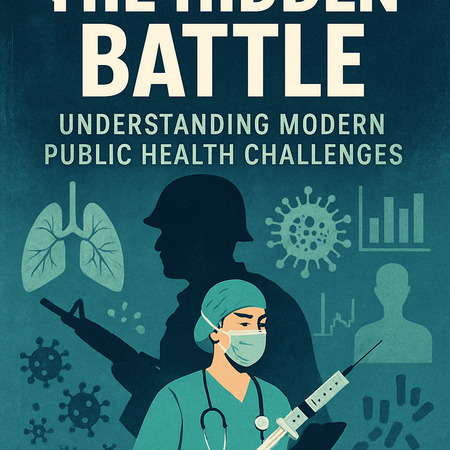
The Hidden Battle: Understanding Modern Public Health Challenges
Public health represents far more than the absence of disease; it constitutes a multifaceted endeavor encompassing prevention, education, and the orchestration of societal resources toward collective wellness. In the contemporary world, public health professionals find themselves navigating an increasingly complex landscape where biological threats intersect with socioeconomic inequalities, technological disruptions, and behavioral challenges that defy simple solutions.
The COVID-19 pandemic serves as a stark illustration of how swiftly a localized health crisis can morph into a global catastrophe, exposing the delicate interdependence of modern societies. What became apparent during this tumultuous period was that disease transmission knows no borders, and populations lacking robust healthcare infrastructure become vulnerable nodes in a chain of contagion. However, the pandemic also revealed something equally profound: the solutions to public health crises cannot be reduced to medical interventions alone. Rather, they demand comprehensive approaches that address housing conditions, economic stability, mental health support, and equitable access to information.
Vaccination campaigns exemplify the philosophical foundation of modern public health—the principle that individual health decisions reverberate across entire communities. When vaccination rates decline below critical thresholds, herd immunity erodes, and previously controlled diseases resurface like dormant seeds awaiting ideal conditions to germinate. Yet persuading populations to embrace preventive measures requires more than scientific evidence; it demands cultural sensitivity, trust-building, and acknowledgment of legitimate concerns alongside misinformation. Public health communicators must become linguistic acrobats, translating complex epidemiological data into accessible narratives that inspire rather than intimidate.
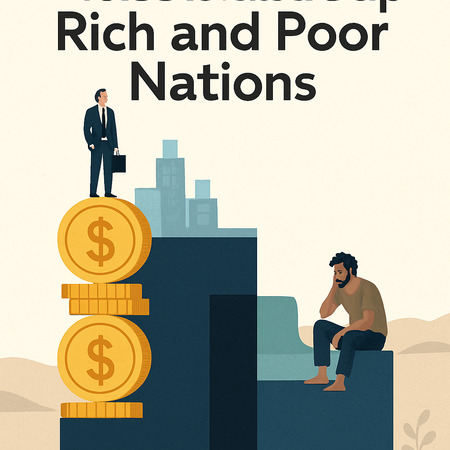
Health disparities constitute another formidable challenge embedded within the fabric of public health infrastructure. Marginalized communities frequently experience disproportionately higher disease burdens, not because of inherent biological differences, but because of systemic barriers that have been meticulously constructed over generations. These communities often lack adequate healthcare facilities, suffer from environmental toxins, endure chronic stress from discrimination, and possess limited access to nutritious food. Addressing these inequities requires profound structural reforms rather than superficial gestures, demanding that public health agencies confront uncomfortable truths about institutional racism and economic injustice.
The rise of non-communicable diseases—diabetes, cardiovascular disease, mental health disorders—has fundamentally shifted the terrain of public health practice. Unlike infectious diseases, which spread through transmission, these conditions flourish in environments saturated with processed foods, sedentary lifestyles, air pollution, and psychological strain. Prevention requires reimagining urban planning, food systems, and workplace cultures; it demands that entire societies acknowledge how individual choices are constrained by environmental circumstances largely beyond personal control.
Looking forward, public health must evolve to embrace emerging threats ranging from antibiotic-resistant bacteria to climate-induced displacement to novel pathogens potentially lurking in unexplored ecosystems. Simultaneously, professionals in this field must cultivate unprecedented levels of interdisciplinary collaboration, drawing expertise from epidemiologists, social scientists, engineers, and community leaders. The future hinges not on discovering miraculous medical breakthroughs alone, but on building resilient, equitable systems wherein health becomes truly a public good rather than a commodity accessible only to the privileged.