The Hidden Side of Modern City Living
Living in a big city can be both exciting and exhausting. Millions of people around the world have chosen to make their homes in urban areas, and it's easy to understand why. Cities offer incredible opportunities for work, education, and entertainment. However, city life also comes with significant challenges that residents must face every day.
One of the biggest advantages of urban living is career opportunities. Cities are home to countless companies, startups, and industries. If you want to advance your career, living in a major city often gives you better chances. You'll have access to networking events, professional development programs, and job openings that simply don't exist in smaller towns. Many people have found that moving to the city was the best decision they ever made professionally.
Another positive aspect is entertainment and culture. Cities never sleep, and there's always something to do. You can enjoy world-class museums, theaters, restaurants, and nightlife. Whether you're interested in art, music, sports, or cuisine, urban areas provide endless options to keep you entertained.
On the other hand, city living has serious drawbacks. The cost of living in major cities has skyrocketed over the past decade. Rent is incredibly expensive, and groceries, transportation, and entertainment can drain your wallet quickly. Many young people struggle to afford housing and end up spending half their salary on rent.
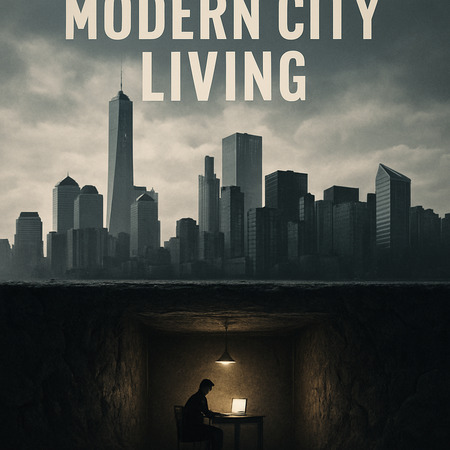
Pollution and noise are constant problems in cities. Traffic congestion creates air pollution, and sirens, construction, and crowds create noise pollution. These environmental issues can affect your health and quality of life. Additionally, cities can feel overwhelming and isolating despite having millions of people around you. The fast pace of urban life leaves little time for building meaningful relationships.
The commute is another headache. Public transportation is often crowded and unreliable, while driving means sitting in traffic for hours. This wastes valuable time that could be spent with family or pursuing hobbies.
So, is city life worth it? The answer depends on your personal priorities. If you value career growth and cultural experiences, a city might be perfect for you. If you prefer a slower pace and lower costs, perhaps a smaller town would suit you better. The key is making an informed decision based on what matters most to you. Some people thrive in the hustle and bustle, while others find peace in quieter communities. Whatever you choose, make sure it aligns with your lifestyle and goals.