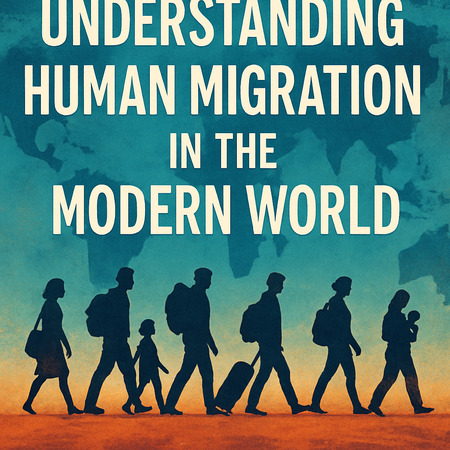
Understanding Human Migration in the Modern World
Migration, often described as the movement of people from one geographical location to another with the intention of settling, has become one of the most significant phenomena shaping contemporary societies. While migration is not a modern invention—humans have been relocating for millennia—the scale, speed, and complexity of contemporary migration patterns have reached unprecedented levels, fundamentally altering the demographic landscape of nations worldwide.
The motivations driving migration are remarkably diverse and interconnected. Economic disparities between regions continue to be a primary catalyst, as individuals and families are drawn toward areas where employment opportunities and higher wages promise improved living standards. However, migration cannot be reduced to purely economic considerations. Political instability, armed conflict, and persecution have displaced millions, transforming them into refugees whose journeys are marked by desperation rather than aspiration. Additionally, environmental degradation and climate change are increasingly recognized as silent drivers of migration, as rising sea levels, droughts, and desertification render certain regions uninhabitable.
The consequences of migration ripple across both origin and destination countries, creating intricate webs of social, economic, and cultural transformation. Destination countries often experience substantial economic benefits, as migrants contribute their labor, entrepreneurial spirit, and innovation to local economies. Conversely, origin countries frequently suffer from brain drain—the emigration of educated and skilled professionals—which can impede development and perpetuate cycles of poverty. Culturally, migration breeds both enrichment and tension, as diverse communities intermingle, fostering creative exchanges while simultaneously generating friction between established populations and newcomers.
The integration of migrants remains a persistent challenge for host societies. Language barriers, discrimination, and cultural misunderstandings frequently complicate the process of settlement, despite migrants' willingness to contribute meaningfully to their new homes. Educational systems and labor markets are often ill-equipped to recognize qualifications obtained abroad, forcing highly trained professionals into low-skill positions. This underutilization of human capital represents a tremendous waste of potential and talent.
Globally, the number of international migrants has surged to over 280 million, while an additional 71 million individuals are forcibly displaced from their homes. These staggering figures underscore the urgency of addressing migration comprehensively. Contemporary policy responses have become increasingly polarized, oscillating between restrictive immigration frameworks designed to limit newcomers and progressive approaches emphasizing humanitarian obligations and economic benefits.
Looking forward, migration will undoubtedly intensify as climate change accelerates and inequality persists. Rather than viewing migration through a lens of fear or exclusion, societies must recognize it as a fundamental aspect of human experience. Constructive dialogue, evidence-based policy-making, and international cooperation are essential for developing frameworks that protect migrants' rights while allowing communities to manage demographic change thoughtfully. Migration, when properly managed and understood, can serve as a powerful engine for economic development, cultural vitality, and human progress.