The Paradox of Cultural Preservation in Modern Anthropology
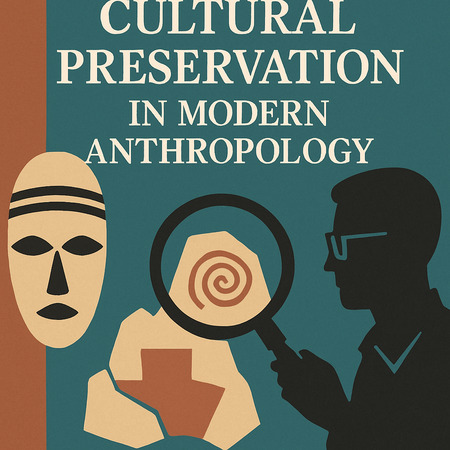
Anthropology, in its most fundamental iteration, purports to offer an objective window into human societies and their multifaceted cultural expressions. Yet this disciplinary endeavor has become increasingly fraught with philosophical and ethical complications that challenge its epistemological foundations. The tension between anthropological documentation and the autonomy of the communities being studied represents perhaps the most pressing conundrum contemporary practitioners face.
Consider the case of Dr. Margaret Chen, an ethnographer who spent eighteen months conducting fieldwork among the Kalahari San people in southern Africa. Her objective was ostensibly straightforward: to document traditional ecological knowledge systems and their transmission across generations. However, as her research progressed, Chen encountered a troubling paradox. The very act of recording these knowledge systems—through audio recordings, video documentation, and detailed written ethnographies—fundamentally altered their significance within the community. What had previously constituted intimate, orally-transmitted wisdom became transformed into objectified data, susceptible to commodification and appropriation.
This scenario illuminates a broader epistemological crisis within anthropology. The discipline emerged from colonial contexts where Western researchers claimed presumptive authority to interpret and represent non-Western peoples. Although contemporary anthropology has theoretically renounced such imperialistic frameworks, structural inequalities persist. The anthropologist, typically from a privileged, industrialized nation, possesses the institutional power to disseminate representations of indigenous peoples through academic publishing networks, thereby exercising considerable hermeneutical authority.
Moreover, the very methodology of ethnographic research—extended participant observation and immersive fieldwork—creates inherent asymmetries. While the researcher documents community members' practices, beliefs, and narratives, those being studied rarely possess reciprocal access to the anthropologist's analytical frameworks or the subsequent interpretations constructed from their contributions. This unidirectional flow of knowledge extraction raises disquieting questions about complicity and exploitation.
Yet dismissing anthropology entirely would constitute an impoverished response. The discipline uniquely provides methodological rigor for examining how meaning-making occurs within specific cultural contexts. Anthropological insights regarding kinship structures, ritual processes, and cosmological systems have profoundly enriched our understanding of human diversity. Furthermore, indigenous communities themselves increasingly appropriate anthropological methodologies, becoming reflexive researchers of their own cultural practices—a development that potentially reconfigures the epistemological terrain.
The question becomes how anthropologists might practice their discipline more ethically and reciprocally. Some scholars advocate for collaborative ethnography, wherein research agendas are negotiatively determined with community members rather than externally imposed. Others emphasize returning research findings to communities in accessible formats, potentially facilitating self-determined cultural documentation. The concept of "indigenous methodologies" similarly repositions research as something conducted alongside rather than upon indigenous peoples.
Dr. Chen's subsequent work exemplifies such theoretical commitments. She established community review processes whereby San collaborators could assess, critique, and modify her ethnographic representations before publication. Certain culturally sensitive knowledge was deliberately excluded from the academic record, honoring community preferences regarding what should remain internal. This approach necessarily compromises the comprehensive documentation anthropologists traditionally pursue, yet it acknowledges the moral primacy of community self-determination.
Ultimately, anthropology's future credibility depends upon sustained engagement with these ethical complexities rather than their evasion. The discipline must acknowledge that its historical representations have frequently served imperial and extractive interests. Contemporary practitioners must cultivate what might be termed epistemological humility—recognizing that their interpretations constitute partial, situated perspectives rather than authoritative truths. By centering indigenous intellectual sovereignty and reconceiving research as reciprocal knowledge-sharing rather than unidirectional extraction, anthropology might yet transform itself into a genuinely decolonized endeavor. This transformation remains incomplete and contested, but its necessity appears unquestionable.